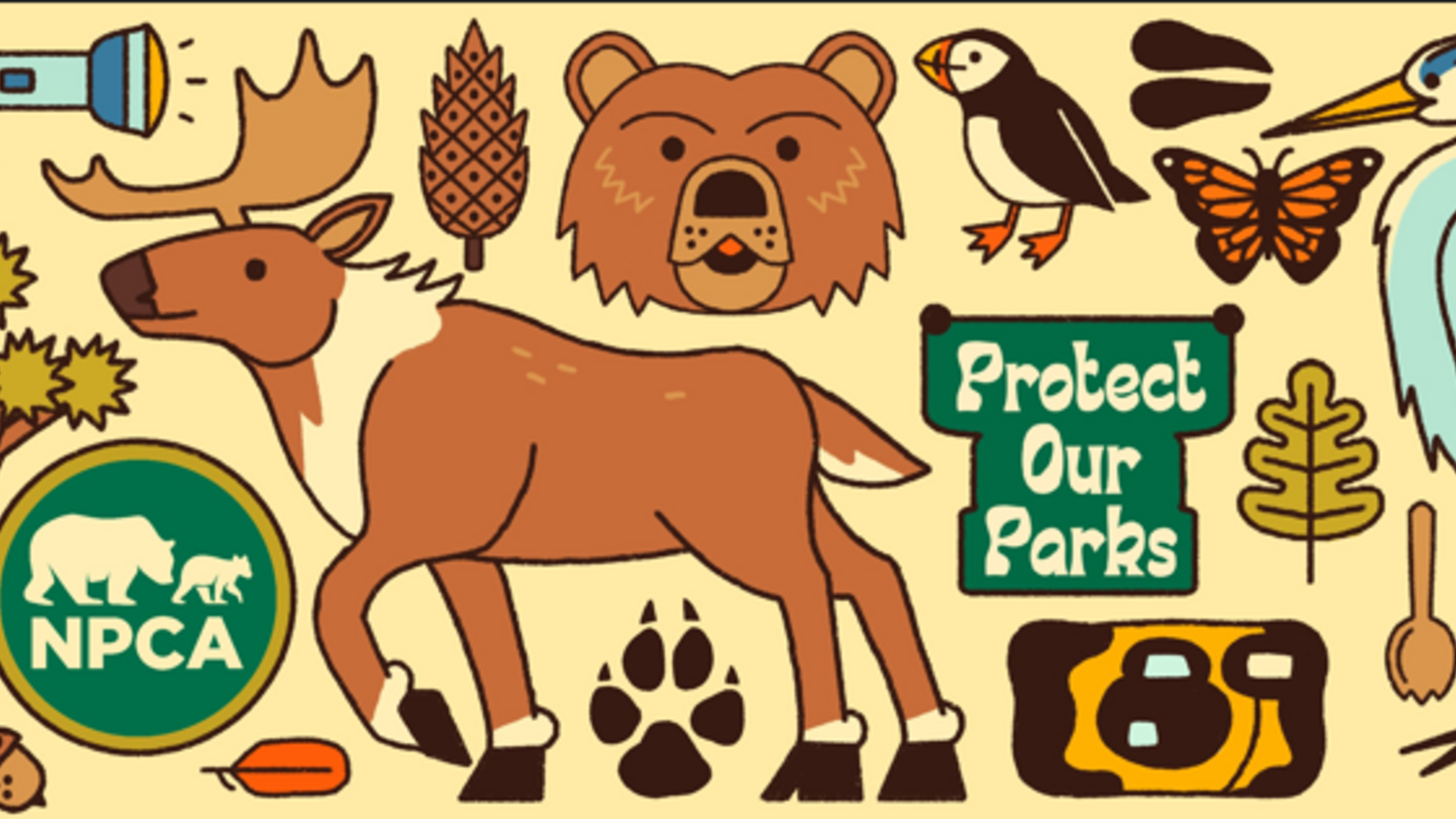
This year, National Park Week runs from August 22 to August 30, 2026. This annual event celebrates “America’s Best Idea” and seeks to raise awareness of the national treasures that are under the National Park Service’s care. (All national park site entrance fees are waived on Tuesday, August 25 in honor of the 110th anniversary of the agency’s founding!)
It is admittedly hard to muster much enthusiasm for the National Park Service (NPS) these days, as changes at the Department of the Interior level create crisis-level staffing shortages, threaten to destroy natural and cultural resources, and attempt to censor the historical and scientific information rangers share with visitors.
I have spent the past twenty-five years collaborating with the park service on a range of cultural resource projects, and the recent changes to the agency break my heart. Initially, I was overwhelmed to see generations’ worth of work erased in a matter of months, but it didn’t take long for my advocacy background to kick into gear. I now dedicate a few hours of every workweek to doing what I can to ensure that the federal heritage agencies (the National Park Service, the Smithsonian Institution, the National Archives, among others) continue to function in alignment with professional standards of the history, museum, and archival fields.
I am a founding member of the History, Archives, and Records Preservation Project (HARPP), an ad hoc group of historians working to ensure that the federal government faithfully protects the cultural treasures that have been entrusted to its care. In the past year and a half, this organization has joined with a network of others, each monitoring a different aspect of the crisis. HARPP itself has organized two in-person advocacy workshops for the historians; started an extensive oral history project of federal workers and contractors, and started a substack, @HARPPingOnHistory, where readers can stay informed about threats to history as they arise.
While HARPP’s purview is the historical work of all federal agencies, the National Parks Conservation Association’s work focuses exclusively on NPS. Given my extensive background with that agency, I represent HARPP at a monthly roundtable of advocates convened by NPCA to stay informed of current threats to cultural resources within the agency and to strategize the best means of protecting them.
Finally, in June 2026, I was an invited guest to the Yale University Public History Institute, held at Shepherd University, in Shepherdstown, West Virginia. This event brought together historians and policymakers to learn from each other and workshop ways to protect history within the NPS.
I hope to write more about these various efforts in future blog posts, but in the meantime, I encourage you to subscribe to the HARPP substack and stay informed about ways you can help ensure that the full story of this nation’s past remains accessible to all.